
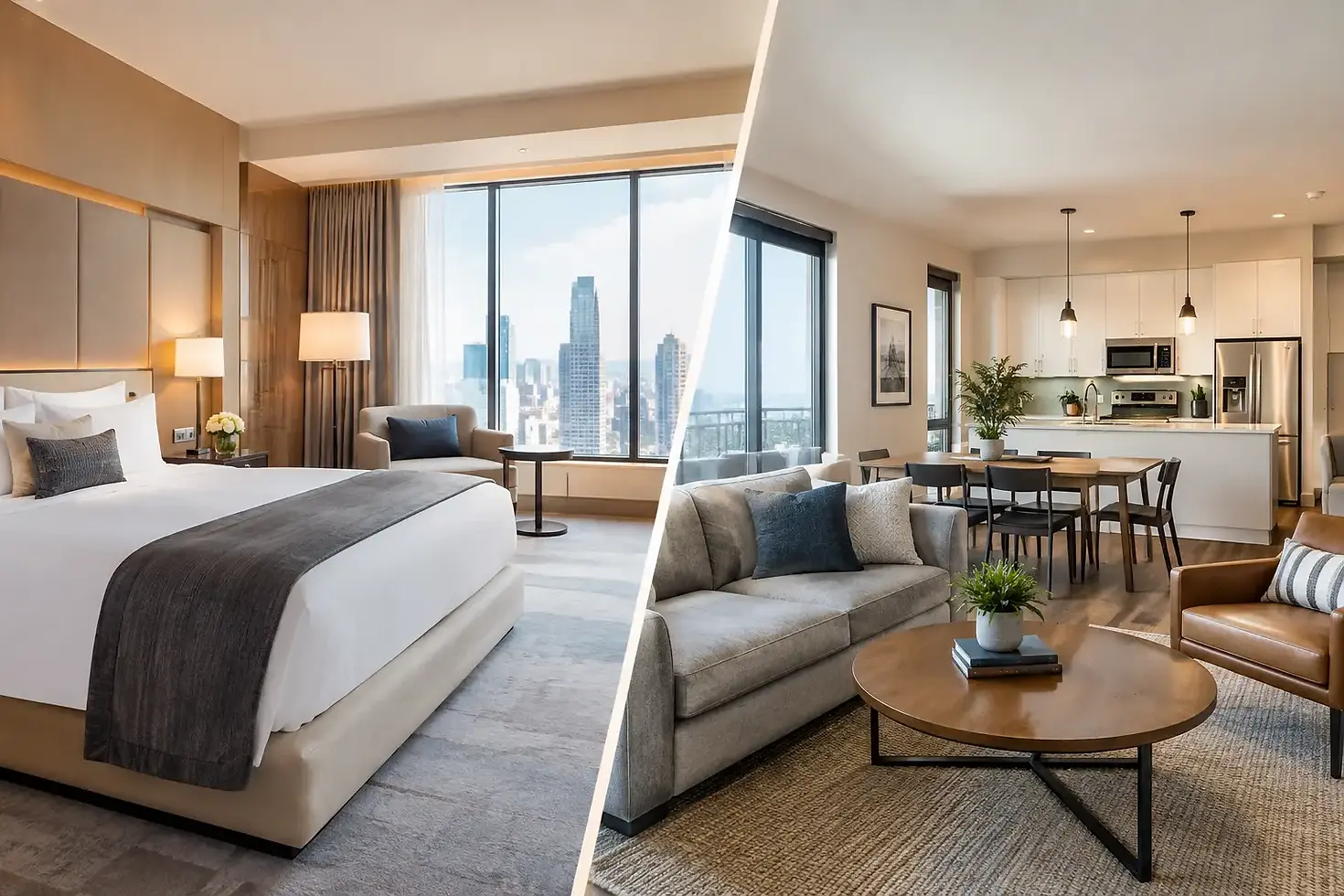
Hotel Suite Versus Residence: Which Fits?

A beautiful room can set the tone for a vacation, but the way you live in it determines how the trip feels. When weighing a hotel suite versus residence, the real question is not simply how many square feet you receive. It is whether you want your stay to revolve around a room, or around a private, comfortable home base where mornings, meals, pool time, and quiet evenings can unfold at your own pace.
For couples planning a polished escape, families traveling with children, or friends gathering for a meaningful week away, both options can be wonderful. The better choice depends on your rhythm, your group, and how much privacy and flexibility you want between resort experiences.
Hotel Suite Versus Residence: The Essential Difference
A hotel suite is an elevated version of the classic hotel stay. It may include a separate sitting area, a larger bathroom, a balcony, and thoughtful services close at hand. It is a strong fit for shorter visits, travelers who expect to spend most of the day exploring, or guests who enjoy the effortless structure of a traditional hotel.
A residence is designed for living, not just sleeping. Think separate bedrooms, a proper living area, a fully equipped kitchen, dining space, and often practical features such as in-unit laundry. Rather than coordinating everyone around one room and a few luggage racks, each person has space to settle in.
That difference becomes especially meaningful after a day in the sun. A suite can feel glamorous and intimate, particularly for a couple. A residence gives a family the option to put children to bed while the adults share a glass of wine on the terrace, or lets a small group gather without anyone sitting on the edge of a bed.
When a Hotel Suite Is the Right Choice
A hotel suite works beautifully when simplicity is your priority. If you are visiting for a long weekend, have a full itinerary of beach clubs, dining reservations, and excursions, or prefer to let the hotel handle every meal, the convenience is appealing. You can walk out the door with little more to consider than where to have breakfast.
It also makes sense for travelers who want daily housekeeping and immediate access to a front desk as the center of their experience. There is a reassuring predictability to that model. You arrive, unpack, and allow the hotel schedule to shape the stay.
For a romantic trip, a suite can be exactly enough. If your plans involve leisurely breakfasts out, long afternoons by the pool, and dinners that stretch late into the evening, a generous bedroom and a beautiful view may be all you need.
The trade-off is that even a large suite can still function like one open setting. Privacy is limited if more than two people are traveling, and meals or relaxed downtime often require leaving the room. Small practical needs can also become less convenient over a week, from storing snacks and cold drinks to handling wet swimwear or packing for the return flight.
Why a Residence Changes a Longer Stay
A luxury residence gives a vacation more room to breathe. It is particularly compelling for stays of five nights or longer, when guests begin to value the rituals that make travel feel restorative: coffee before anyone else is awake, a fresh lunch after the market, an afternoon rest in air-conditioned comfort, and an unhurried evening at home before dinner.
The kitchen is not about turning a dream getaway into a chore. It is about choice. You can keep chilled fruit, sparkling water, favorite breakfast items, and easy snacks for the pool. Families can work around children’s schedules without rushing to a restaurant for every meal. Couples can enjoy a quiet breakfast on the terrace before a golf outing or a beach day.
Separate living space matters just as much. One guest can read, another can nap, and someone else can get ready for dinner without competing for the same few feet of floor space. For multigenerational travel, this breathing room can be the difference between a lovely vacation and a truly relaxing one.
In-unit laundry is another detail that rarely sounds glamorous before arrival and often feels invaluable by day four. It means lighter packing, easier beach days, and fewer concerns when children discover every puddle or every plate of tacos with enthusiasm.
Space Is Luxury, but So Is Privacy
Traveling together does not mean being together every minute. The best accommodations recognize that a little privacy makes shared time better.
In a residence, a couple traveling with friends can close the bedroom door and enjoy a quiet morning. Parents can maintain a familiar bedtime routine. Grandparents can join the family for breakfast, then retreat to their own room for an afternoon rest. These small moments are difficult to create in a single suite, no matter how beautifully appointed it may be.
Privacy also extends beyond the floor plan. A residential setting often feels more personal and less transient than a busy hotel corridor. There is room to arrive from the pool, rinse off, make a drink, and simply be off the clock for a while. For guests who want resort access without feeling surrounded by the constant movement of a large hotel, that balance is a genuine advantage.
Resort Amenities Without Giving Up Home Comforts
Choosing a residence does not mean opting out of a resort experience. In the right setting, it can offer the most appealing parts of both worlds: the comfort of a private apartment and access to pools, scenic surroundings, golf, restaurants, and nearby beach experiences.
At Tulum Country Club Resort, guests can build each day differently. One day may begin with a quiet breakfast at home and lead to golf or a pool afternoon. The next may center on a guided excursion, a special dinner, or an all-inclusive day plan if that suits the group. A residence gives you the freedom to use resort amenities enthusiastically without feeling obligated to structure every hour around them.
This is also where personalized guidance can elevate the trip. Restaurant recommendations are more helpful when they reflect whether you are traveling with teenagers, celebrating an anniversary, or hoping for a relaxed local lunch after a morning outing. The same is true of excursions. A host who understands your pace can help shape a stay that feels considered rather than overplanned.
Consider Your Dining Style Before You Book
Dining is often the clearest divider in the hotel suite versus residence decision. If you want every meal prepared for you, a suite within a hotel-centric stay may feel wonderfully easy. You can step out for breakfast, order lunch by the pool, and head straight to dinner without thinking about groceries, cleanup, or reservations beyond the next evening.
If you love exceptional restaurants but do not want to dine out three times a day, a residence offers more freedom. You might enjoy a leisurely breakfast in, reserve memorable dinners, and keep lunch casual after the beach. This rhythm can feel less formal and more restful, especially for families and groups with different appetites and schedules.
There is no wrong approach. The key is to be honest about how you travel at home and what you want from this trip. If a slow coffee and a stocked refrigerator sound like part of the luxury, a residence will likely suit you. If being served from morning through night is your definition of vacation, a hotel suite may be the better match.
A Practical Way to Decide
Start with the length of stay. For two or three nights, a suite can be efficient and indulgent. For a week or more, the comfort of a residence tends to become more valuable each day.
Then consider the group. One couple may be perfectly comfortable in a suite. Two couples, a family, or a group that wants to relax together will usually appreciate multiple bedrooms and a shared living area. Finally, think about the moments you cannot see on an itinerary: early mornings, rainy afternoons, snack breaks, laundry, jet lag, and bedtime. Those are the moments when a residence quietly earns its place.
Luxury Living Tulum Country Club Resort is especially suited to travelers who want this more spacious, host-led version of a resort escape. You can enjoy the energy and amenities of a premier resort community, then return to a residence that feels entirely your own.
Choose the accommodation that leaves room for the vacation you actually want: lingering breakfasts, easy family time, private pauses, and plans shaped around your preferences rather than a room key.


Comments